
NFPA 1041: A Comprehensive Overview
NFPA 1041, a crucial standard from the National Fire Protection Association,
details professional qualifications for fire service instructors, readily available as a PDF document.
This standard outlines key concepts and responsibilities, encompassing lesson planning,
data analysis, and comprehensive report writing for effective training delivery.
What is NFPA 1041?
NFPA 1041, the Standard for Fire Service Instructor Professional Qualifications, is a nationally recognized benchmark developed by the National Fire Protection Association (NFPA). This standard establishes a minimum level of knowledge and skill for individuals instructing within the fire service, ensuring consistent and high-quality training across departments.
Available as a downloadable PDF, NFPA 1041 details the core competencies expected of fire instructors at various levels – I, II, and III – progressing from basic teaching skills to advanced curriculum development and program management. The document meticulously outlines key concepts and responsibilities, including effective report writing, thorough training data analysis, and robust lesson planning.
It’s not merely a set of guidelines; NFPA 1041 serves as the foundation for certification programs, validating an instructor’s ability to deliver impactful and safe training. The 2019 edition, and previous versions like the 2014 edition, are frequently referenced for best practices in fire service education.
The Importance of NFPA 1041 Certification

Achieving NFPA 1041 certification, detailed within the National Fire Protection Association’s (NFPA) PDF standard, signifies a commitment to excellence in fire service instruction. Certification validates an instructor’s proficiency in delivering effective, standardized training, crucial for firefighter safety and operational readiness.
This credential demonstrates mastery of core competencies, including meticulous lesson planning, accurate training data analysis, and comprehensive report writing – skills essential for evaluating training effectiveness and identifying areas for improvement. Departments often require or strongly encourage instructors to pursue NFPA 1041 certification.
Furthermore, certification enhances an instructor’s credibility and professional development opportunities. It assures fire departments and personnel that instructors meet nationally recognized standards, fostering confidence in the quality of training received. The PDF document serves as a vital resource throughout the certification process and beyond.

Understanding the NFPA 1041 Standard
NFPA 1041, available as a PDF from the National Fire Protection Association, establishes crucial qualifications for fire service instructors and training programs.
NFPA 1041: 2019 Edition Key Changes
The 2019 edition of NFPA 1041, accessible as a PDF from the National Fire Protection Association, brought significant updates to instructor qualifications and training methodologies.
Key changes focused on enhancing the core competencies required of fire service instructors, with a greater emphasis on adult learning principles and practical application of knowledge. The revision clarified expectations for report writing, training data analysis, and the development of effective lesson plans.
Furthermore, the 2019 edition expanded upon the requirements for managing disruptive behavior in the training environment, providing instructors with strategies to maintain a productive learning atmosphere. Updates also addressed the integration of technology into fire service training programs, recognizing the increasing importance of digital learning tools. These changes aim to elevate the quality and consistency of fire service instruction nationwide, ensuring that firefighters receive the highest level of training.
Core Competencies for Fire Service Instructors
According to the NFPA 1041 standard, available as a PDF from the National Fire Protection Association, core competencies for fire service instructors are multifaceted and crucial for effective training.
These competencies encompass a strong understanding of subject matter, coupled with the ability to deliver instruction using various methods, including lectures, demonstrations, and practical exercises. Instructors must demonstrate proficiency in lesson planning and delivery, ensuring content is relevant and engaging.
Furthermore, a key competency involves accurate training data analysis and evaluation to measure learning outcomes and improve program effectiveness. Instructors are also expected to possess strong communication skills, both written and verbal, including the ability to produce clear and concise reports. Finally, managing classroom dynamics and addressing disruptive behavior are essential skills, fostering a positive and productive learning environment for all students.

Levels of NFPA 1041 Certification
NFPA 1041, detailed in the National Fire Protection Association’s PDF, offers tiered certification – I, II, and III –
representing increasing instructor expertise and responsibility.
Fire Instructor I
Fire Instructor I, as defined by the NFPA 1041 standard – accessible as a PDF from the National Fire Protection Association – represents the foundational level of fire service instruction.
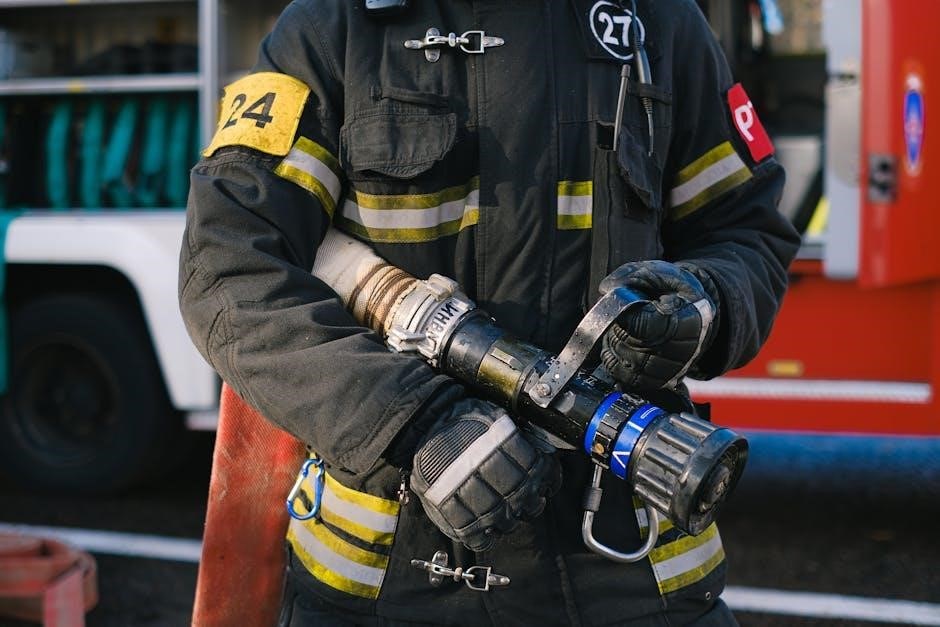
Individuals achieving this certification demonstrate competency in basic instructional techniques, including delivering pre-planned lessons and utilizing training materials effectively. The NFPA 1041 standard emphasizes the ability to present information clearly and concisely, ensuring comprehension among students.
Key areas of focus for Fire Instructor I include understanding learning objectives, employing various teaching methods, and maintaining a safe training environment. This level requires a solid grasp of the subject matter and the capacity to facilitate basic skills practice. Furthermore, instructors at this level are expected to adhere to established safety protocols and contribute to a positive learning atmosphere, all detailed within the NFPA guidelines.
Successful completion signifies a commitment to professional development and a dedication to enhancing the skills of fellow firefighters.
Fire Instructor II
Fire Instructor II, as outlined in the NFPA 1041 standard – readily available as a PDF from the National Fire Protection Association – builds upon the foundational skills of Fire Instructor I, demanding a more sophisticated understanding of instructional methodologies.
This level requires instructors to develop and deliver training programs independently, adapting to diverse learning styles and incorporating practical exercises. The NFPA 1041 standard emphasizes the ability to evaluate training effectiveness and make necessary adjustments to optimize learning outcomes.
Fire Instructor II certification signifies proficiency in creating lesson plans, utilizing various assessment tools, and providing constructive feedback to students. Instructors at this level are expected to demonstrate strong communication skills and a commitment to continuous improvement, adhering to NFPA guidelines. They must also be capable of managing a training environment effectively and addressing disruptive behavior, as detailed in the standard.
Achieving this certification demonstrates a dedication to advanced instructional techniques and a commitment to fostering a culture of excellence within the fire service.
Fire Instructor III
Fire Instructor III, as defined by the NFPA 1041 standard – accessible as a PDF document from the National Fire Protection Association – represents the highest level of instructor qualification. It signifies mastery of instructional design, delivery, and evaluation techniques.
Instructors at this level are responsible for developing and implementing comprehensive training programs, often at a regional or state level. They demonstrate expertise in curriculum development, incorporating adult learning principles and advanced instructional technologies. The NFPA 1041 standard emphasizes leadership skills and the ability to mentor other instructors.

Fire Instructor III certification requires a thorough understanding of training data analysis, allowing for continuous program improvement and alignment with evolving fire service needs. They are adept at conducting needs assessments, writing detailed reports, and advocating for effective training initiatives.
This level demands a commitment to professional development and a dedication to shaping the future of fire service training, guided by NFPA best practices.
Key Areas Covered in NFPA 1041 Training
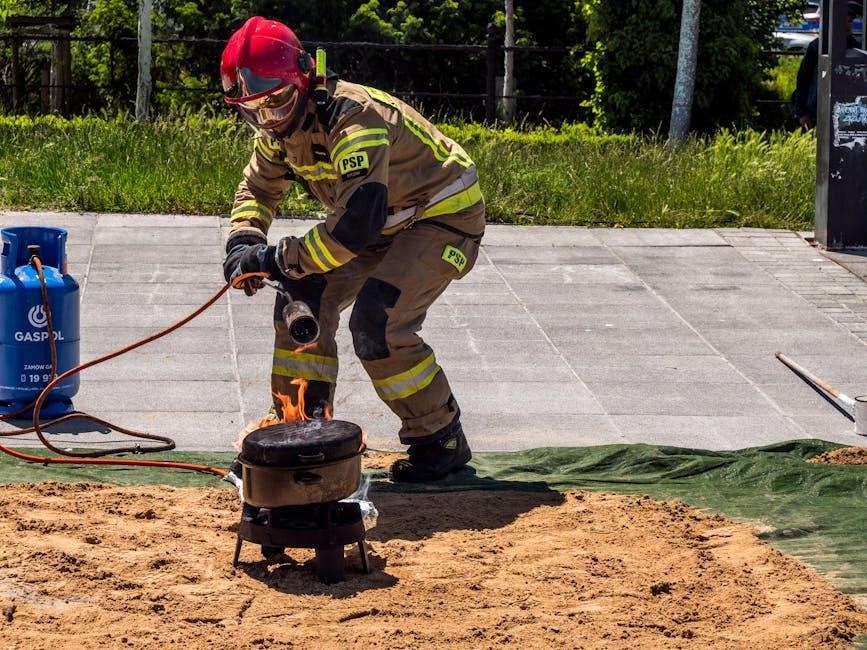
NFPA 1041 training, detailed in the National Fire Protection Association’s PDF, focuses on lesson planning, training data analysis, and effective report writing.
Lesson Planning and Delivery
NFPA 1041, as outlined in the National Fire Protection Association’s PDF document, places significant emphasis on the art and science of effective lesson planning and delivery for fire service instructors.
Instructors must demonstrate the ability to develop comprehensive lesson plans that align with learning objectives, utilizing a variety of instructional methods to cater to diverse learning styles. This includes incorporating practical exercises, simulations, and real-world scenarios to enhance knowledge retention.
The standard stresses the importance of clear communication, engaging presentation skills, and the ability to manage classroom dynamics effectively. Instructors are expected to utilize appropriate visual aids, maintain student interest, and provide constructive feedback throughout the training process. Furthermore, NFPA 1041 emphasizes the need for instructors to adapt their delivery methods based on student progress and understanding, ensuring a positive and productive learning environment.
Training Data Analysis and Evaluation
According to the NFPA 1041 standard, detailed within the National Fire Protection Association’s PDF, a core competency for fire service instructors is the ability to effectively analyze training data and evaluate program effectiveness.
Instructors are required to collect and interpret data from various sources, including student performance assessments, written examinations, and practical skill demonstrations. This data is then used to identify areas where students excel and areas requiring improvement.
NFPA 1041 emphasizes the importance of using evaluation results to refine lesson plans, adjust training methodologies, and ensure that programs meet established learning objectives. Instructors must be proficient in utilizing data analysis techniques to measure training impact and demonstrate accountability. The standard also highlights the need for ongoing program evaluation to maintain relevance and address evolving fire service needs, ultimately enhancing firefighter competency and safety.
Report Writing for Fire Instructors
The NFPA 1041 standard, accessible as a PDF from the National Fire Protection Association, designates proficient report writing as a fundamental skill for fire service instructors.
Instructors are responsible for documenting training activities, student performance, and program evaluations through clear, concise, and accurate reports. These reports serve as official records and are crucial for administrative purposes, accreditation, and continuous improvement initiatives.
NFPA 1041 outlines the necessary components of effective reports, including detailed descriptions of training objectives, methodologies employed, assessment results, and recommendations for future development. Instructors must demonstrate the ability to present information objectively and professionally, adhering to established reporting guidelines. Strong report writing skills ensure transparency, accountability, and informed decision-making within the fire service, ultimately contributing to enhanced training program quality and firefighter preparedness.
Accessing NFPA 1041 Resources
The NFPA 1041 standard, a PDF from the National Fire Protection Association, is readily available for download, providing comprehensive instructor qualifications.
Downloading the NFPA 1041 PDF
Accessing the NFPA 1041 standard in PDF format is a straightforward process, enabling fire service professionals to readily review the detailed requirements for instructor qualifications. The National Fire Protection Association (NFPA) website serves as the primary source for obtaining this crucial document.
Typically, access requires a purchase through the NFPA’s online store, ensuring you receive the most current edition – currently the 2019 edition is widely referenced. However, some fire departments or training academies may have site licenses providing access to their personnel.
The PDF document comprehensively outlines key concepts, responsibilities, and core competencies expected of fire service instructors at various levels. It’s a vital resource for anyone involved in delivering training, covering areas like report writing, lesson planning, and training data analysis. Always ensure you are referencing the latest approved version for compliance and best practices.
NFPA 1041 Skills Manual and Learning Resources
Complementing the core NFPA 1041 PDF standard, dedicated Skills Manuals are available to enhance the learning experience for aspiring fire service instructors. These manuals provide practical exercises and detailed guidance aligned with the standard’s requirements, facilitating skill development in areas like lesson planning and effective delivery techniques.
Various learning resources, often developed by state fire academies or private training providers, supplement the NFPA materials. These resources may include online courses, workshops, and practice scenarios designed to reinforce the concepts presented in the PDF document.
The NFPA 1041 framework emphasizes competency-based training, meaning instructors must demonstrate proficiency in key areas, including report writing and training data analysis. Utilizing both the standard PDF and associated skills manuals ensures a thorough understanding and practical application of these vital skills.
Addressing Disruptive Behavior in Training (Based on NFPA 1041)

NFPA 1041 addresses managing classroom issues, including harassment, abuse, and disruption, ensuring a safe and productive learning environment for all students.
Examples of Disruptive Behavior
NFPA 1041, as detailed in its PDF format, identifies a range of behaviors that can impede effective fire service training. These disruptions aren’t limited to overt actions; they encompass a spectrum of conduct that undermines the learning process and potentially creates unsafe conditions.
Specifically, the standard highlights harassment – unwelcome conduct based on protected characteristics – and abuse, which includes verbal or emotional mistreatment. Discrimination, unfairly targeting individuals or groups, also falls under disruptive behavior. More commonly observed are direct disruptions of training, such as constant interruptions or refusal to participate.
Furthermore, horseplay, involving reckless or playful activity, poses a safety risk. A simple lack of respect for the instructor or fellow students, demonstrated through inattentiveness or dismissive attitudes, can also be categorized as disruptive. These examples, outlined by the National Fire Protection Association, emphasize the importance of proactive management strategies.
Strategies for Managing Disruptive Students
According to NFPA 1041, accessible as a PDF from the National Fire Protection Association, effectively managing disruptive students requires a proactive and consistent approach. Initial steps involve clearly communicating expectations and establishing ground rules at the start of training, reinforcing a respectful learning environment.
When disruption occurs, instructors should address the behavior privately and directly, focusing on the impact it has on the learning process. Active listening is crucial – understanding the root cause of the disruption can inform the response. Redirecting the student’s energy towards constructive participation is often effective.
If the behavior persists, escalating the issue through established departmental procedures is necessary. Documentation of incidents is vital, as outlined in NFPA 1041’s guidance on report writing; Maintaining composure and avoiding public confrontations are key to de-escalating situations and preserving a positive training atmosphere.